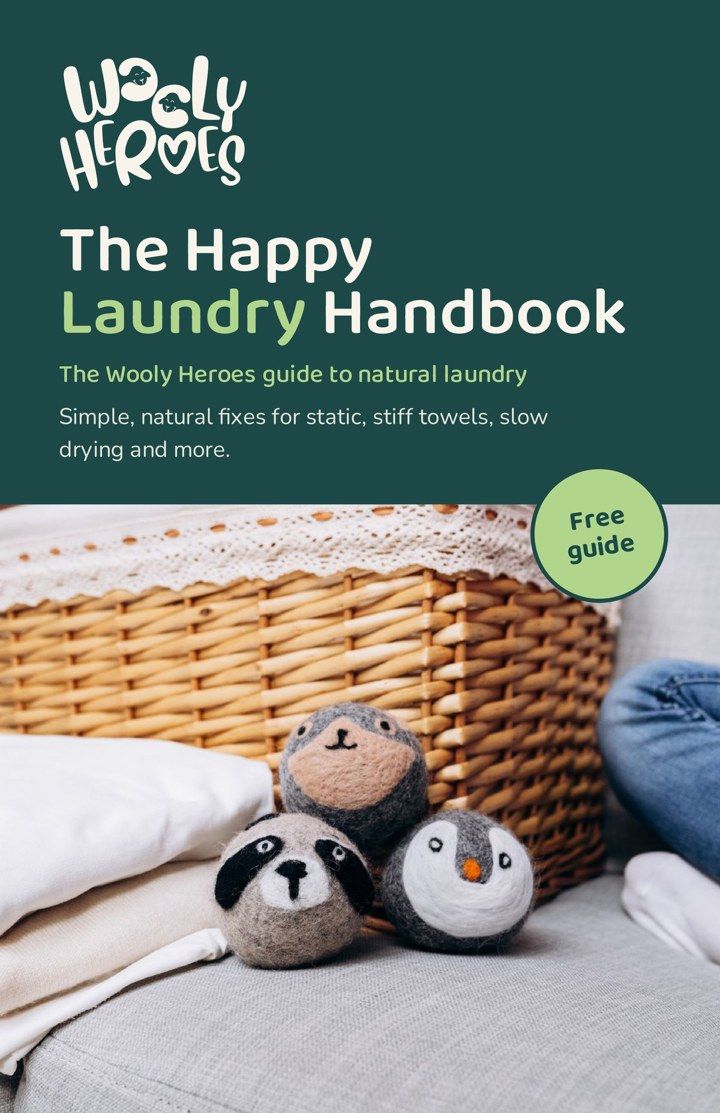
How to Get Rid of Static in Clothes with Wool Dryer Balls
Wool dryer balls help reduce static cling in the dryer: wool takes up moisture as clothes dry, and the balls keep clothes apart. Pair them with two habits: take clothes out slightly damp instead of over-drying, and dry synthetics like polyester and nylon apart from cotton.
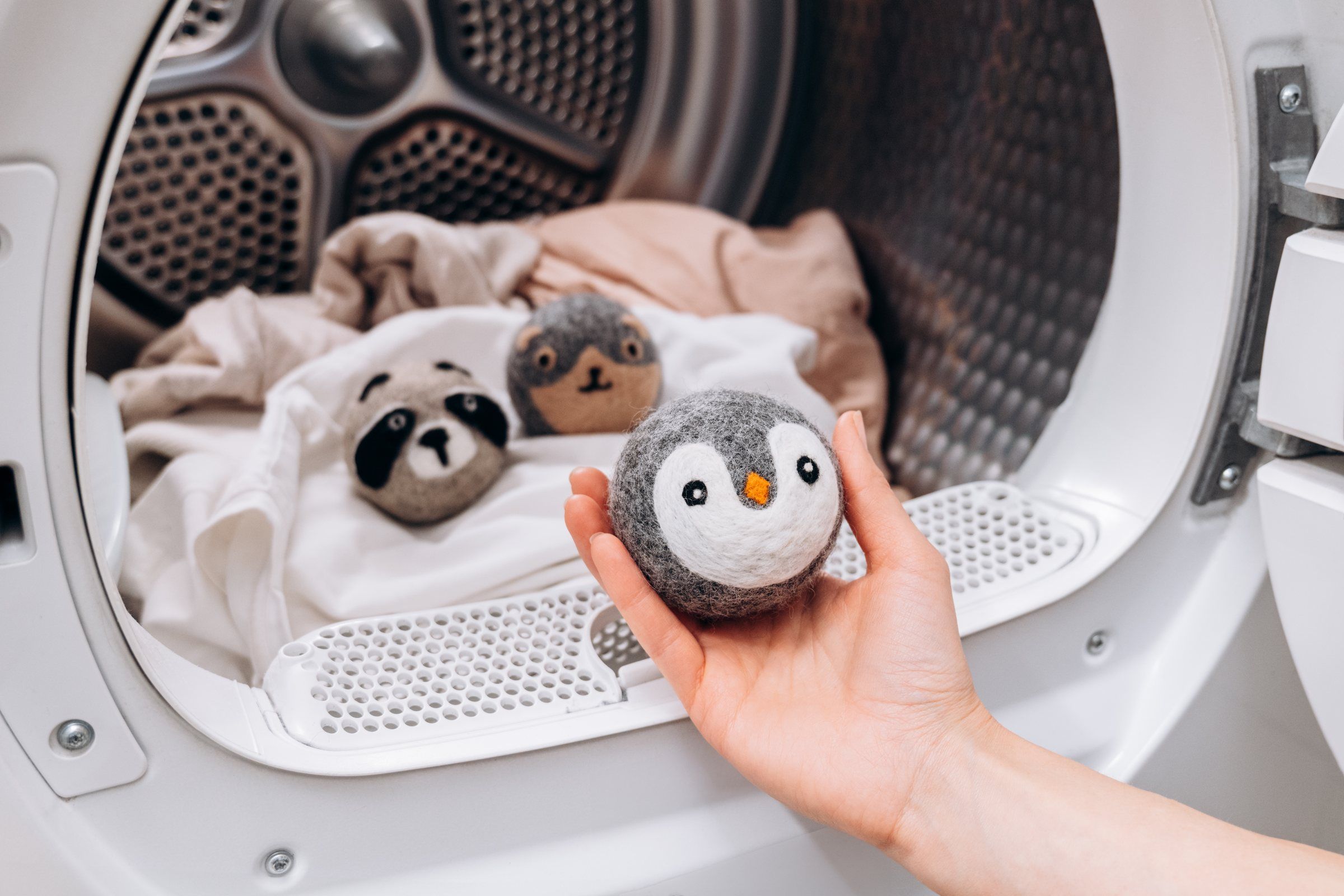
Wooly Heroes wool dryer balls help reduce static cling in the dryer, with no dryer sheet. Wool takes up moisture as clothes dry, and the balls keep the load apart. Penguin & Friends is six XL balls in a drawstring bag, ready to toss in with your next load.
Pair them with two habits: stop the dryer a little early, and dry synthetics apart from cotton.
Why do my clothes get so staticky?
Clothes get staticky because rubbing swaps tiny electrical charges between fabrics, and when the dryer stops, the differently charged pieces cling. Whirlpool’s static guide adds that dry air, inside the dryer and outside in cold weather, can make it worse, and that polyester and nylon are more likely to create static than cotton.
So the rule to remember is: rub less, add moisture. Over-drying is the fixable part. GE Appliances lists it as a cause of static and suggests the Less Dry or Damp Dry setting.
Do wool dryer balls help with static?
Yes, wool dryer balls help reduce static cling, in two ways: wool takes up moisture as clothes dry, and the balls tumble between clothes and keep them apart. Whirlpool’s dryer help page describes wool dryer balls the same way: they absorb moisture from the clothes during drying, helping to prevent static buildup.
Keeping clothes apart also lets warm air move through the load. That helps cut drying time and helps reduce wrinkles, though how much depends on your dryer, the load and the fabrics.
What they won’t do. Wool dryer balls help calm static, but they won’t fully tame a load of synthetics like polyester, fleece or workout gear. Drying less and drying synthetics separately matter more, so use the balls alongside those habits, not instead of them.
How many wool dryer balls should I use for static?
Use 3 to 6 for small or medium loads, and all 6 for large loads, towels and bedding. Not sure? Toss in all six: the more of the crew in the drum, the more clothes they keep apart.
No prep needed. Toss them in with your damp laundry and dry as usual, still stopping a little early, then count them back into the bag when you unload. Sleeves love to hide one. The how-to-use guide covers your first load.
What to expect. Give them a few loads to settle in. A little fuzz at first is normal, and they get smoother over time.
Why choose wool dryer balls instead of dryer sheets?
Both can help reduce static. The difference is what’s left over: wool dryer balls replace disposable dryer sheets and liquid fabric softener, and one set is reusable for up to 1,000 loads, while a sheet is gone after one.
Dryer sheets are a popular way to reduce static, so this isn’t a case against them. Wool dryer balls soften laundry naturally, with no coating left behind. They’re 100% New Zealand wool with no synthetic fillers, and no added chemicals, fragrances or coatings. See wool dryer balls vs dryer sheets for the side-by-side.
Which static fix should I try first?
Start with the row that matches your static.
| If your static is… | Try this first |
|---|---|
| Clinging to you right now | Metal hanger, light water mist or lotion |
| A whole load that crackles | Take it out slightly damp next time, with wool dryer balls in the drum |
| Mostly polyester or nylon | Dry it apart from cotton and wool |
| Worse on cold, dry days | Run a humidifier in the laundry area |
| Fine from the dryer, clingy after folding | Shake each piece; fold or hang it at once |
A few habits that help alongside the balls:
- Washer: wash synthetics apart from natural fibers, and don’t overload, because an oversized load rubs together harder once it’s in the dryer. Whirlpool cautions that vinegar, a popular static tip, is acidic and can gradually damage rubber parts of your washer. It can also be too harsh for some delicate fabrics, so check the care tag first.
- Dryer (check the garment’s care tag first): choose a sensor cycle, which helps the dryer stop at the right time, over a long timed one. On a timed cycle, add a damp washcloth or towel for the last 10 to 20 minutes and check the clothes so they don’t over-dry. Hang anything still slightly damp to finish drying, and fold the rest at once instead of piling it in a basket.
- Wearing it: run a metal hanger over the fabric, lightly mist it with water, or put on some lotion.
Hero tip from the penguins: give each piece a quick, stiff shake before you fold it. It helps disrupt the buildup of charge.
Quick answers
Why is there so much static electricity in my dryer?
Tumbling makes clothes rub together and swap charges, and the dry, heated drum and over-drying add to it. Polyester and nylon hold a charge longer than cotton or wool, so a mixed load builds more.
Do I just throw dryer balls in the dryer?
Yes. Toss them in with your damp laundry and dry as usual, still stopping a little early. No prep needed. More answers are in the wool dryer balls FAQ.
How do I stop static in my dryer?
Dry less: use a sensor cycle and, if your dryer offers it, choose Less Dry or Damp Dry. Take clothes out slightly damp and dry synthetics apart from natural fibers. Then add wool dryer balls, such as the six in Penguin & Friends, to help reduce static cling on top of those habits.